
Maqam Ibrahim: Station of Ibrahim - History, Meaning and Spiritual Importance
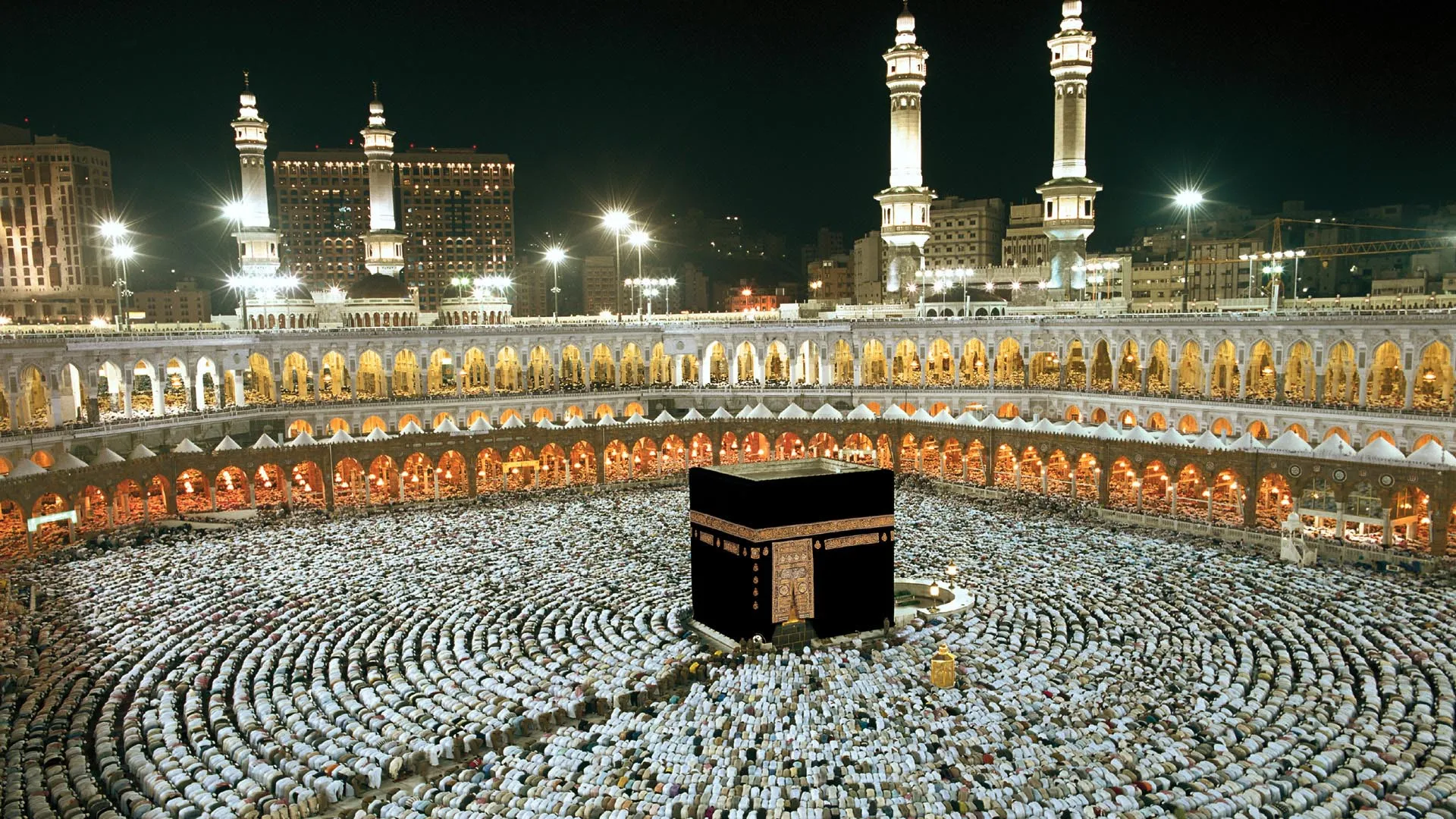
Maqam Ibrahim (the Station of Ibrahim) is one of the most sacred landmarks within Masjid al-Haram in Mecca. This stone, bearing what tradition holds to be the footprints of Prophet Ibrahim (peace be upon him), stands just a few metres from the Kaaba and is mentioned explicitly in the Quran. For every pilgrim performing Umrah or Hajj, praying behind Maqam Ibrahim after Tawaf is an integral part of the rites.
Quranic references
Allah says in the Quran: "And take the Maqam Ibrahim as a place of prayer" (Surah Al-Baqarah, 2:125). This direct divine command establishes the spiritual significance of this site. The verse is part of a passage describing how Ibrahim and his son Ismail (peace be upon them both) raised the foundations of the Kaaba, and Allah commanded that His House be purified for those who perform Tawaf, I'tikaf and prayer.
The Maqam is also referenced in Surah Aal-Imran (3:97): "In it are clear signs, the Maqam Ibrahim." Islamic scholars consider the Maqam one of the "clear signs" (ayat bayyinat) that confirm the sacred nature of the Haram. The preservation of this stone through millennia is itself considered a sign of divine providence.
Historical significance
According to Islamic tradition, Prophet Ibrahim (peace be upon him) used this stone as a platform while building the Kaaba. As the walls rose higher, he would stand on the stone to reach the upper courses, and the stone would miraculously rise with him. The impressions of his feet remain visible on the stone to this day, a tangible connection to the patriarch of monotheism.
Throughout history, the Maqam has been protected and relocated several times. During the time of the Prophet Muhammad (peace and blessings be upon him), it was adjacent to the Kaaba. Caliph Umar ibn al-Khattab (may Allah be pleased with him) moved it to its current position to allow more space for pilgrims performing Tawaf. Today, the stone is enclosed in a gold and glass casing to protect it while keeping it visible.
The prayer behind Maqam Ibrahim
After completing Tawaf (seven circuits around the Kaaba), pilgrims are instructed to pray two rak'at behind Maqam Ibrahim. The Sunnah is to recite Surah Al-Kafirun in the first rak'ah and Surah Al-Ikhlas in the second. When the area immediately behind the Maqam is too crowded, the prayer can be performed anywhere in the Haram, maintaining the Maqam between oneself and the Kaaba.
This prayer is a deeply moving moment for pilgrims, standing where Ibrahim stood, facing the House he built by Allah's command. At Noussouki Travel, our guides explain the significance of each rite before arrival, so pilgrims can fully appreciate these spiritual moments. Consult the Hisn al-Muslim for the recommended supplications.
Visiting tips
The area around Maqam Ibrahim is one of the most congested zones in the Haram, especially during peak times. To pray comfortably behind the Maqam, visit during the less busy periods: after Fajr prayer, mid-morning, or late at night. During Hajj and Ramadan seasons, the crowd management systems direct pilgrims to designated prayer areas behind the Maqam.
The golden casing of the Maqam is beautifully illuminated and photographing it (without flash) is permitted from a respectful distance. Learn about the history of Medina to complement your Mecca experience. Contact our team to plan your pilgrimage. Check visa requirements and explore our destinations.