
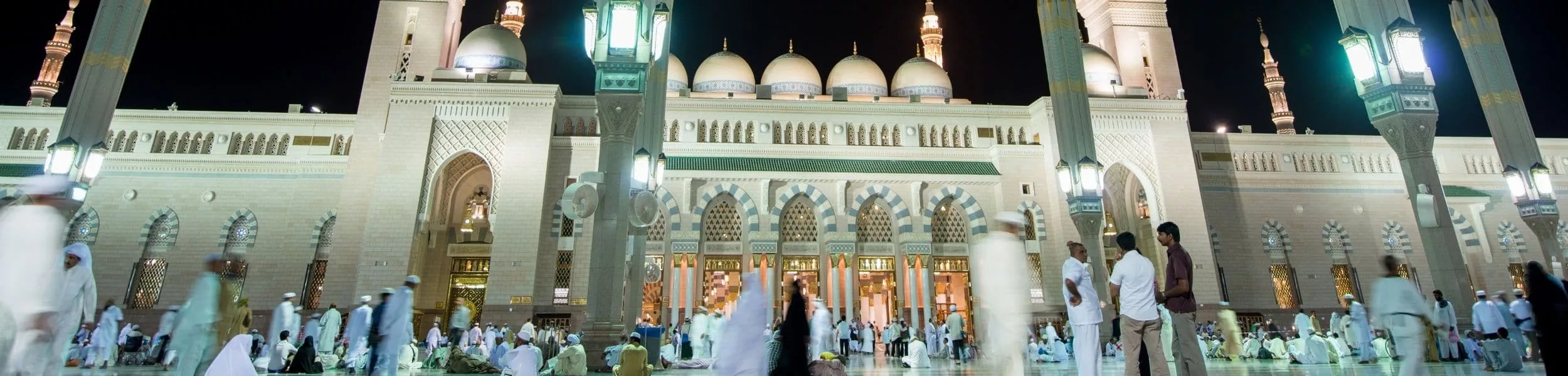
Masjid al-Qiblatayn: A Must-Visit Site in Madinah
Masjid al-Qiblatayn (the Mosque of the Two Qiblahs) is one of the most historically significant mosques in Madinah. It is the site where, in the second year after the Hijrah, the divine command was revealed to Prophet Muhammad (peace and blessings be upon him) to change the direction of prayer from Jerusalem to Mecca. This event, recorded in the Quran, marked a pivotal moment in Islamic history and identity.
The historic change of Qiblah
For approximately 16 to 17 months after the Hijrah, Muslims prayed facing Bayt al-Maqdis (Jerusalem), which had been the Qiblah of previous prophets. The Prophet (peace and blessings be upon him) longed for the Qiblah to be redirected towards the Kaaba, the House built by Prophet Ibrahim (peace be upon him). Allah responded with the revelation: "We have certainly seen the turning of your face toward the heaven. So We will surely turn you to a Qiblah with which you will be pleased. So turn your face toward al-Masjid al-Haram" (Surah Al-Baqarah, 2:144).
According to historical accounts, the Prophet (peace and blessings be upon him) was leading the Dhuhr prayer at this mosque when the revelation came. Mid-prayer, he turned from facing Jerusalem to facing Mecca, and the entire congregation followed. This dramatic mid-prayer turn gave the mosque its name: the Mosque of the Two Qiblahs.
Architectural features
The original mosque was a modest structure, but it has been renovated and expanded several times over the centuries. The most significant renovation took place in 1987 under the direction of the Saudi government, which transformed it into a modern, elegant mosque with white walls, green domes and a capacity of over 2,000 worshippers.
The current design features a large prayer hall on two levels, with separate sections for men and women. The mosque's most distinctive architectural element is its pair of domes and two mihrabs (prayer niches), symbolizing the two directions of prayer. The clean, contemporary design uses white marble and natural light to create a serene atmosphere conducive to prayer and reflection.
Spiritual significance for pilgrims
The change of Qiblah carries profound theological meaning. It symbolized the independence of the Muslim Ummah and its distinct identity. It also demonstrated that obedience to Allah supersedes all other considerations, as the companions immediately turned mid-prayer without hesitation. For pilgrims visiting Madinah during Umrah or Hajj, praying at Masjid al-Qiblatayn connects them to this transformative moment.
The event also tested the faith of the early Muslim community. Some hypocrites and doubters criticized the change, but the sincere believers accepted it as divine wisdom. The Quran addresses this: "And We did not make the Qiblah which you used to face except that We might make evident who would follow the Messenger from who would turn back on his heels" (Surah Al-Baqarah, 2:143).
Visiting information
Masjid al-Qiblatayn is located in the northwestern part of Madinah, approximately 4 kilometres from Masjid al-Nabawi. It can be reached by taxi (10-15 minutes) or by local bus. The mosque is open for prayers throughout the day and there is no entry fee. The best time to visit is outside peak prayer times for a more contemplative experience.
At Noussouki Travel, our Madinah tours include visits to all the significant mosques and historical sites. Contact our team to plan your complete pilgrimage experience. Check visa requirements and explore all our destinations.